. Oyunmaa. Member of the Board of the Mongolian Environmental Civil Council (MECC), Ph.D. in Biological Sciences, Botanist: Travel Notes – 1 / Ж.Оюунмаа. МБОИЗ-ийн Удирдах зөвлөлийн гишүүн, Биологийн ухааны доктор, Ургамал судлаач: Аян замын тэмдэглэл -1

Let me share with you my observations on the shrubs of the Trans-Altai Gobi.
In the Trans-Altai Gobi, shrub-dominated desert stretches across areas where saxaul does not grow. Here, shrubs tend to occur either as a single species or in communities consisting of no more than two or three species in one location.
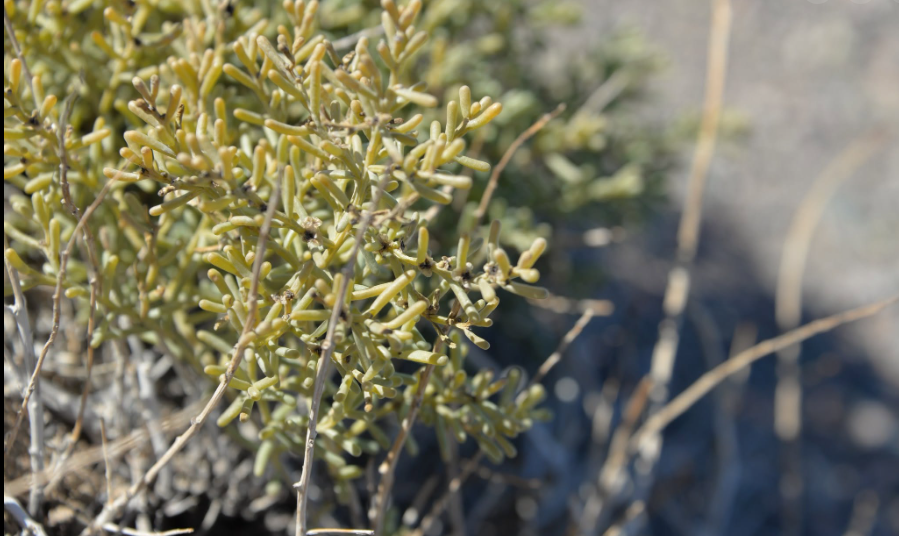
Along our route, we encountered a variety of vegetation types in succession, including communities dominated by red budargana, yellow budargana, red tamarisk–saxaul, ephedra, Siberian nitraria–saxaul, wolfberry–red tamarisk, and red budargana–bagluur.
Even in mid-November, the desert plants retain their green, red, and yellow colours, adorning the vast Gobi and making the landscape even more beautiful and captivating. Their succulence and nutritional value also remain intact.
Although these shrubs grow sparsely and are widely spaced, each individual plant has a remarkable ability, through its root system, to draw in and retain soil moisture from an area extending several metres around it.
Because the leaves of these plants are succulent, they also store considerable amounts of water. Animals feeding on them can therefore satisfy both their hunger and thirst, reducing the need to travel frequently to scattered water sources that may be a day or more apart. In this way, these shrubs help sustain the animals’ essential needs in the harsh desert environment.
Because the vegetation is sparse and limited in number, Member of Parliament O. Amgalanbaatar had suggested that the area has little value or significance, implying that there would be no real loss in building roads, opening a border checkpoint, and turning it into a settlement zone.
Yet in this desert, every single plant performs an essential function within its ecosystem. Although plants and trees are few and widely scattered, they are naturally adapted to sustain the vast desert as a desert ecosystem while supporting the life that depends on it.
Thanks to their dependence on these few desert plant species and their remarkable adaptation to the unique conditions they provide, globally rare and native Mongolian wildlife—including the Gobi bear (Mazaalai), wild Bactrian camel, khulan, goitered gazelle, saiga antelope, and argali—have survived to the present day in the very habitats where they originally evolved.
What sense does it make to destroy a desert ecosystem that still retains its natural, pristine character and then claim that we are taking measures to combat desertification?
Алтайн өвөр говийн бут сөөгний тухай өөрийн дүгнэлтээ та бүхэнтэй хуваалцья.
Алтайн өвөр говьд заггүй газраар бут сөөг бүхий цөл үргэлжилнэ. Энд бут сөөг дангаараа буюу нэг газарт 2-3-аас зүйлээс илүүгүй ургадаг аж.
Бидний явах замд Улаан бударганат, Шар бударганат, Улаан сухай-загт, Зээргэнэт, Сибирь хармаг-загт, чонон хармаг-улаан сухайт, улаан бударгана-баглуурт гээд олон янзын хэв шинж ээлжлэн тохиолдов.
11-р сарын дундуур цөлийн ургамал ногоон, улаан, шар өнгөө хадгалан байх нь их говийг чимж, улам үзэсгэлэн төгс харагдуулж, сэтгэл татна. Шүүс, шим нь ч хэвээрээ.
Эдгээр бут сөөг хол хол зайтай сийрэг ургах ч нэг ургамал үндсээрээ эргэн тойрныхоо хэдэн м газарт хөрсний чийгийг татан барьж байх шидтэй.
Ургамлын навч шүүслэг учир бас ихээхэн хэмжээний усыг хуримтлуулж, түүнийг идсэн амьтад ангаа цангаагаа тайлж, өдөр хоногийн зайтай байгаа бүрдний ус руу тэр бүр гүйгээд байх шаардлагагүй амин хэрэгцээгээ хангах аж.
Цөөн тоотой, сийрэг ургамалтай учир үнэ цэнгүй, ач холбогдолгүй нутаг учраас зам тавьж, боомт нээгээд суурьшлын бүс болгочиход гарзгүй утгатай юм УИХ гишүүн О.Амгаланбаатар яриад байсан.
Тэгвэл энэ цөлд нэг ширхэг ургамал тухайн орчиндоо өөрийн үүргээ гүйцэтгэж байдаг. Ургамал, мод нь сийрэг, цөөн тоотой ч их цөлийг цөл чигээр байлгахаар байгалиасаа зохицон, дээрээ байгаа амьдралын хэрэгцээг хангадаг байна.
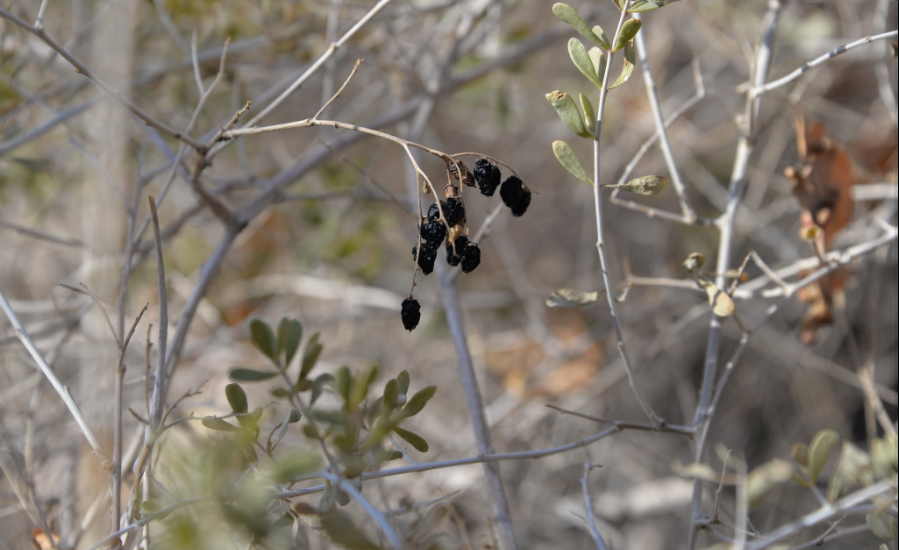
Цөлийн эдгээр цөөн тоотой ургамлыг шүтэж, онцлог чанарт нь дасаж зохицсоны хүчинд мазаалай, хавтгай, хулан, хар сүүлт, бөхөн, аргаль гээд Дэлхийд ховор, Монголын унаган амьтад одоо үеийг хүртэл анх үүссэн нутагтаа үлдэж хоцроод байгаа билээ.
Унаган төрхөөрөө байгаа цөл нутгаа сүйтгэчихээд цөлжилтийн эсрэг арга хэмжээ авна гэж юу байх билээ.